As summer heats up, so does the pace of innovation and transformation in the commercial real estate sector, particularly within the hospital and medical office industries. This month, we dive into the latest industry trends, challenges, and opportunities shaping commercial medical real estate.
Industry Insights: Navigating Challenges in Healthcare Real Estate

Navigating healthcare real estate requires a strategic approach. Challenges include regulatory compliance, financial models, location selection, and telehealth innovations. Sustainability, resilient design, and advanced technologies are reshaping hospitals. With these key insights from Building Operations we are able to help manage these complexities and ensure successful healthcare real estate investments.
Regulatory Compliance:
Healthcare facilities face strict regulations that impact design, construction, and operation. Staying ahead of these regulations is important to ensure compliance and avoid costly penalties.
Financial Considerations:
Investing in healthcare real estate requires an understanding of financial models specific to the industry. This includes navigating reimbursement structures and understanding the economic impacts of healthcare policies.
Location and Accessibility:
The location of healthcare facilities significantly affects their success. Proximity to transportation hubs, population centers, and other healthcare services is crucial for both patient access and operational efficiency.
Adapting to Telehealth and Hybrid Models:
With the rise of telehealth services, hospitals are rethinking their physical space requirements. Many are adopting hybrid models that combine in-person care with remote consultations. This shift is leading to the reconfiguration of spaces to include telehealth hubs and more flexible patient areas.
Sustainable and Resilient Design:
Sustainability is no longer optional; it’s a necessity. Hospitals are incorporating green building practices to reduce their environmental impact and operating costs. From energy-efficient HVAC systems to sustainable materials, these initiatives are also enhancing patient and staff well-being.
Technological Integration:
Smart building technologies are revolutionizing hospital operations. Integrated systems for lighting, security, and climate control improve efficiency and safety. Additionally, advancements in AI and IoT are enabling predictive maintenance, reducing downtime and costs.
Predictions for the Future of Medical Real Estate
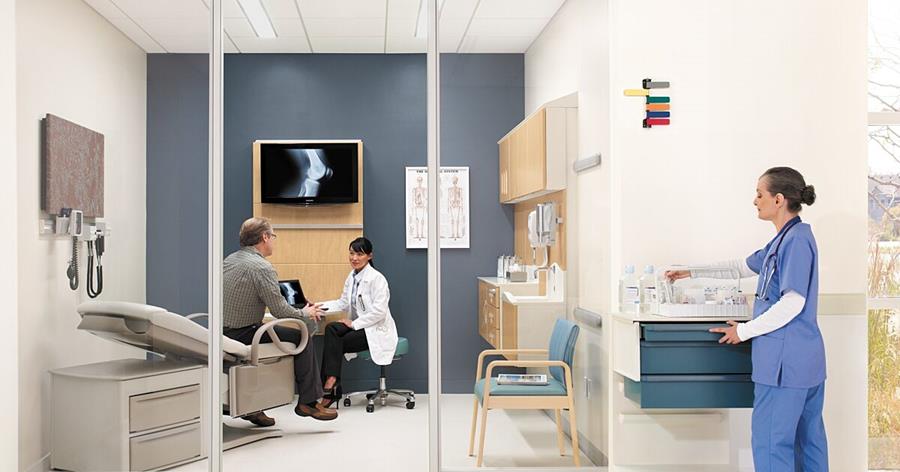
At the Medical Real Estate Conference in May in Orlando, FL, industry leaders discussed key trends. The main focus was the growing demand for outpatient buildings. Scott Brinker, CEO of Healthpeak Properties, said these are cost-effective for patients and profitable for providers. Angie Weber from CBRE highlighted that not all office spaces are suitable for medical use due to access and facility issues. Jay Johnson from JLL Americas emphasized considering these factors when converting spaces, referencing the JLL 2024 Medical Outpatient Building Perspective.
The demand for outpatient buildings is rising because they are cheaper and more convenient for patients. With increasing construction costs, there’s a shift towards using existing spaces and partnerships with developers. More outpatient procedures mean better outcomes and lower costs. Patient-centered designs, like natural light and outdoor access, improve well-being for both patients and staff. However, new construction is slowing due to rising costs and economic uncertainties, while the need for more healthcare professionals and technological innovations grows.
The future of medical real estate is moving towards more outpatient facilities, focusing on patient experience and adapting to economic challenges. Emphasis on patient care and efficient space use will transform healthcare facilities.
Building Operations Industries
Building Operations works to develop collaborative environments where innovative science, groundbreaking research, and exceptional patient care connect. Our aim is to create spaces that foster creativity, enhance productivity, and ultimately improve outcomes for both researchers and patients. By integrating advanced technologies and sustainable practices, we strive to support the vital work being done within these facilities.
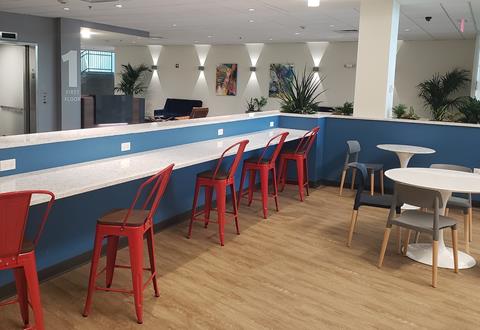
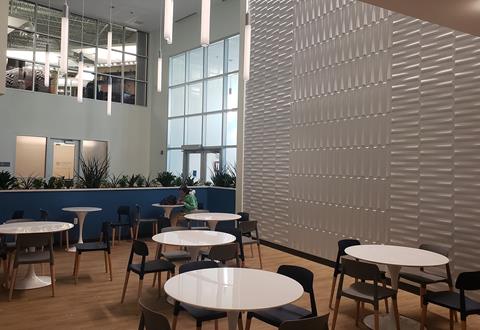
Hospital and Medical Office