
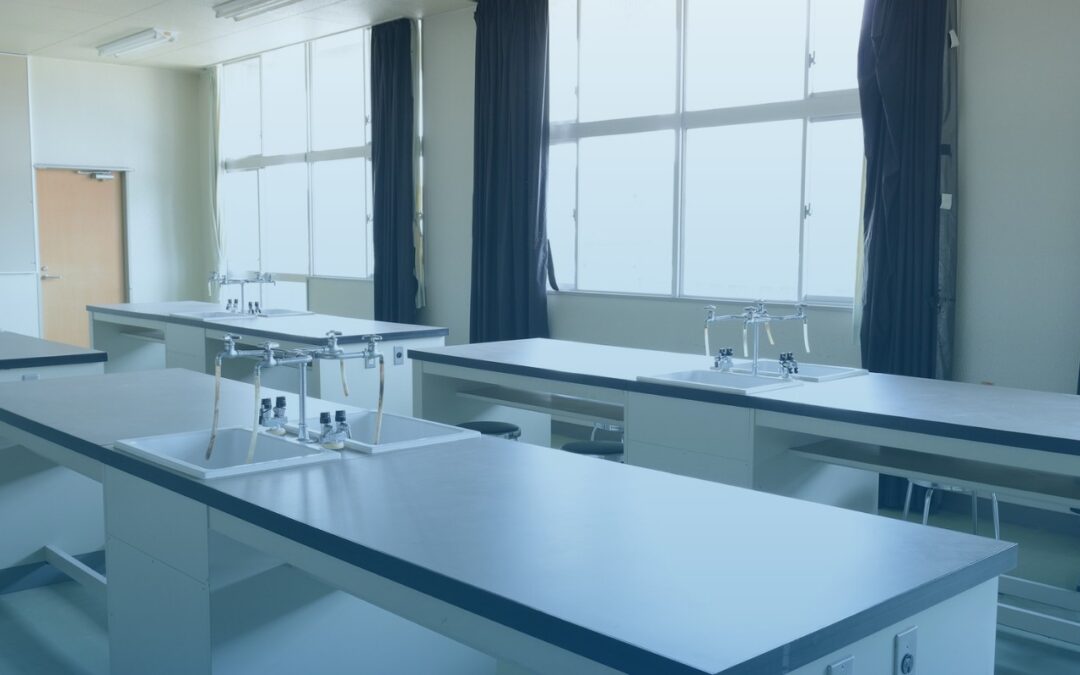
Growth in life science doesn’t happen in neat, predictable steps. A company may start with one lab suite and—after a funding round or breakthrough discovery—suddenly need double the space. That’s where flexible lab design comes in.
By creating facilities that adapt without major overhauls, you can reduce costly turnover, keep tenants happy, and strengthen your investment for the long haul.
Expandable Lab Space for Long-Term Value
When you plan for expandable lab space, you’re not just solving today’s problems—you’re preparing for tomorrow’s opportunities. Flexible layouts and infrastructure allow tenants to scale quickly while keeping retrofits manageable.
Adaptable Lab LayoutsThink modular casework, reconfigurable benching, and demountable walls. These features let tenants shift workflows without shutting down operations. By building adaptability into the physical space, you give tenants breathing room to grow at their own pace. |
Scalable Laboratory DesignScalability isn’t about overbuilding—it’s about anticipating future needs. Oversized MEP systems, vibration-resistant flooring, and extra shaft locations allow your property to evolve into specialized environments without expensive rebuilds. |
Life Science Buildings That Attract a Wider Tenant Base
Unlike traditional office space, life science buildings must support high-performance labs, clean rooms, and hybrid R&D areas. The best-designed spaces balance general-use infrastructure with room for customization.
Biotech Research SpacesWhether serving startups or established pharmaceutical companies, biotech tenants need reliable HVAC, fume exhaust, and water-intensive systems. A well-prepared building ensures you can accommodate these research-heavy demands. |
Pharmaceutical Lab BuildingsPharma tenants often bring long-term stability but require rigorous compliance. Planning early for safety standards, chemical storage, and redundancy makes your building more attractive to high-value clients who prize consistency. |
Tenant Retention in Labs: Reducing Turnover and Maximizing ROI
Relocation is disruptive and expensive for life science companies. By prioritizing tenant retention in labs, you create a win-win: tenants stay longer, and your property generates more stable returns.
Long-Term Lab Leasing StrategiesFlexible design reduces downtime between tenants and encourages lease renewals. Developers who consider future-use scenarios and invest in shared infrastructure often see stronger tenant loyalty. |
Keeping Biotech TenantsLife science companies invest heavily in their equipment and calibration. If your building supports their growth without forcing a move, tenants are far less likely to leave—resulting in predictable cash flow for you. |
Why Flexible Lab Design Should Be Your Next Move
Designing adaptable labs isn’t just about mechanical systems—it’s about staying competitive in one of commercial real estate’s fastest-growing sectors. Tenants want stability. Investors want returns. Flexible lab design delivers both.
At Building Operations, we specialize in creating lab environments that evolve with tenant needs. From infrastructure planning to operational handoff, we help you strike the balance between upfront investment and long-term savings. Ready to future-proof your property? Let’s build lab spaces that grow with your tenants.