
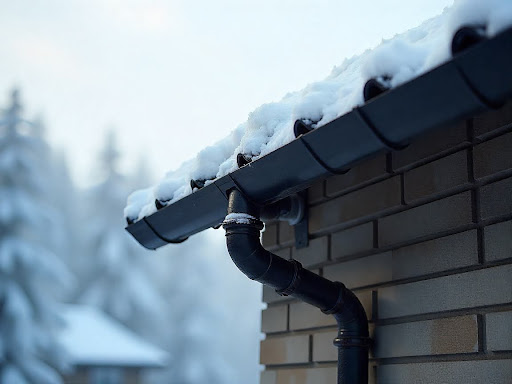
Winter introduces a new set of operational demands for building owners. When temperatures drop, even small issues like an overlooked valve or aging weather seal, can become expensive emergencies. Preparing a building before the first freeze helps avoid avoidable disruptions and keeps occupants safe and comfortable.
At Building Operations, we believe that seasonal preparation is more than a checklist. It’s a proactive step toward reducing risk, protecting asset value, and maintaining long-term performance.
1. Get Ahead of HVAC Demands
Before heating systems are called into full service, it’s worth examining their condition and performance. A few preventive steps can reduce energy use and avoid mid-season breakdowns:
- Replace filters and check belts
- Test each heating zone, including backup systems
- Inspect insulation and air leaks in ductwork
- Review overnight and occupancy-based thermostat settings
Well-maintained HVAC systems reduce utility expenses and extend equipment life, especially in buildings with high ventilation loads, like labs or medical offices.
2. Safeguard Pipes and Plumbing
Frozen plumbing is one of the most preventable sources of winter damage. Focus first on vulnerable areas:
- Add insulation to pipes in basements, mechanical rooms, or near exterior walls
- Use heat tape where appropriate
- Drain irrigation lines and shut off outdoor spigots
- Test sump pumps
It’s also worth placing remote temperature sensors in at-risk areas. For critical environments, such as research facilities or temperature-controlled storage, early alerts make a difference.
3. Reinforce the Building Envelope
Cold air finds every gap it can. So does moisture. A thorough inspection of the exterior envelope can catch small flaws before they affect comfort or drive up heating costs.
- Replace worn weather seals around doors
- Reseal cracked joints or failed caulking
- Inspect flashing and roof edges
- Test window function and confirm all can fully close
These improvements don’t just help in winter, they continue to add value year-round through improved thermal performance.
4. Prepare for Snow and Ice
Each property handles winter differently, but planning is always better than reacting. Consider these steps:
- Confirm snow removal agreements and vendor contact info
- Mark priority zones for salting and clearing
- Clean gutters, roof drains, and scuppers
- Identify flat roof areas prone to snow buildup or ponding
- Stock critical supplies like de-icer and sand before demand spikes
Even a light snow can introduce liability if walkways are slick or emergency exits are blocked. Early planning reduces that risk.
5. Confirm Backup and Emergency Systems
Cold-weather power outages can disrupt more than just lighting. Test systems that support safety and continuity:
- Run backup generators under load
- Check emergency lighting and exit signs
- Review boiler safety controls and CO detectors
- Verify critical equipment is on protected circuits
Don’t forget the human element: brief your team on who to contact and what steps to take if systems fail during off-hours.
6. Address Tenant Readiness
Communicating with tenants before severe weather improves safety and sets expectations. It also reduces last-minute service requests.
- Send winter prep tips relevant to your building
- Remind tenants to report drips, heat issues, or unusual noises promptly
- Reconfirm emergency contacts
- Share snow removal and access procedures
Clear communication is often the difference between calm responses and frustrated calls when the first storm hits.
7. Look Beyond the Season
Winter prep is also an opportunity to review the building’s broader maintenance plan. Revisit preventive tasks, check vendor performance, and walk the site with an eye toward recurring trouble spots.
- Identify systems that may need upgrades next year
- Use this year’s performance to inform capital planning
- Reassess insulation, drainage, and lighting effectiveness
By aligning seasonal maintenance with long-term operations, building owners stay one step ahead; not just of winter, but of costly surprises.
What Matters for Life Science and Critical Environments
For buildings that support R&D, medical care, or biotech tenants, winter brings heightened risk. Precision systems require consistent conditions:
- Review ventilation rates and air pressure control
- Inspect equipment rooms for potential drafts or heat loss
- Confirm backup power supports lab-grade refrigeration and clean room ventilation
- Review wash station and eyewash functionality
A temporary failure in one of these areas can delay experiments, violate regulations, or cause tenant turnover.
Building Operations: Supporting Smart, Seasonal Facility Care
Preparing your building for winter isn’t about doing more, it’s about doing the right things, at the right time, in the right order.
Our team works with owners and facility managers to address vulnerabilities before they become problems. Whether it’s a high-performance lab or a multi-tenant office, we bring clarity and control to winter readiness.
We focus on practical outcomes:
- Fewer service calls in peak season
- Lower long-term operating costs
- Better performance from existing systems
- Stronger tenant satisfaction and retention
Let’s make sure your building is ready to face winter with confidence. Get in touch to start your seasonal strategy.